NEGOTIABLE INSTRUMENTS ACT, 1881 – DETAILED NOTES
1. Definition & Characteristics of Negotiable Instruments
Definition (Section 13)
A Negotiable Instrument means a promissory note, bill of exchange, or cheque, payable either:
to order, or
to bearer
Essential Characteristics
Transferability
Freely transferable by delivery (bearer) or endorsement and delivery (order).
Title of Transferee
Transferee gets a better title (if holder in due course).
Right to Sue
Holder can sue in their own name.
Presumption
Presumed to be made/drawn for consideration (Section 118).
Certainty
Must contain a certain sum of money.
Negotiability
Must be capable of negotiation.
Unconditional
Promise/order must be unconditional.
2. Parties to Negotiable Instruments
(A) Promissory Note
Maker: Person who promises to pay
Payee: Person to whom payment is made
(B) Bill of Exchange
Drawer: Makes the order
Drawee: Directed to pay
Acceptor: Drawee who accepts liability
Payee: Receives payment
(C) Cheque
Drawer: Account holder
Drawee: Bank
Payee: Recipient
Other Important Parties
Holder (Section 8)
Person entitled to possession and to receive amount.
Holder in Due Course (Section 9)
Acquires instrument:
For consideration
Before maturity
In good faith
Gets better title.
Endorser / Endorsee
Endorser: Transfers instrument
Endorsee: Receives it
Legal Representative
Entitled upon death of holder.
3. Presentment of Negotiable Instruments
Meaning
Formal presentation of instrument for:
Acceptance (Bill of Exchange)
Payment (All instruments)
Types of Presentment
Presentment for Acceptance (Sections 61–69)
Required for:
Bills payable after sight
Must be made to drawee.
Presentment for Payment (Sections 64–77)
Necessary to charge parties (especially drawer/endorser).
Rules of Presentment
Must be made:
At proper place
During business hours
On due date
When Presentment is Not Necessary
Drawee prevents presentment
Party waives it
Impossible circumstances
4. Discharge of Parties
Modes of Discharge
By Payment (Section 82)
Payment in due course discharges all parties.
By Cancellation
Intentional cancellation of instrument.
By Release
Holder releases a party.
By Material Alteration (Section 87)
Without consent → instrument void.
By Negotiation Back
Instrument returns to prior party.
By Operation of Law
Insolvency, limitation, merger.
Discharge of One Party
Does not necessarily discharge others (unless principal debtor discharged).
5. Crossing of Cheques (Sections 123–131)
Meaning
Crossing means drawing two parallel lines across cheque directing payment through a bank.
Kinds of Crossing
1. General Crossing (Section 123)
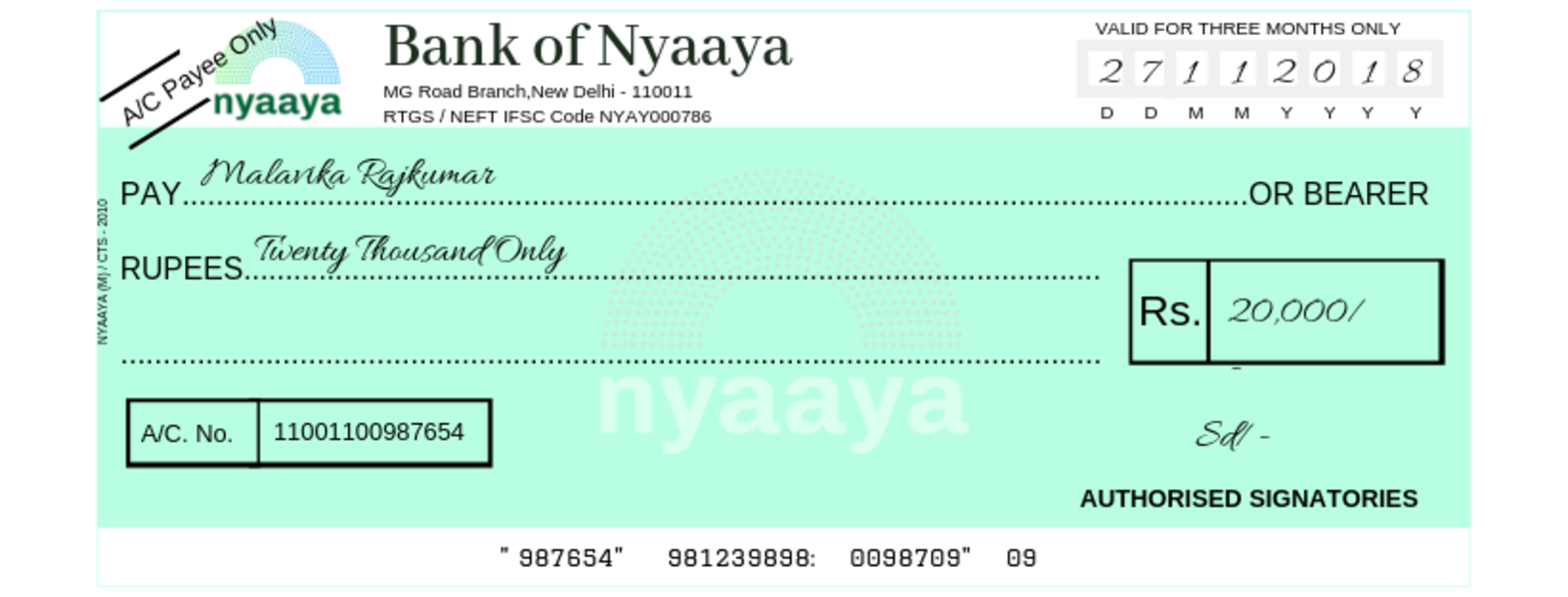
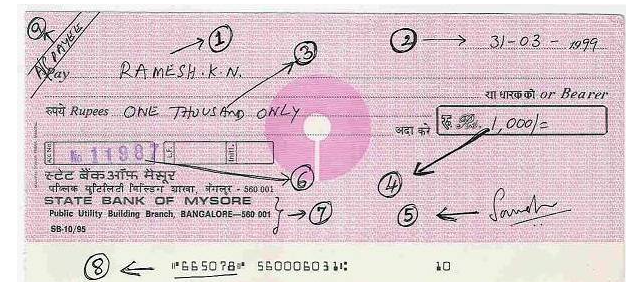
Two parallel lines
May include “& Co.”
Payment only through bank
2. Special Crossing (Section 124)
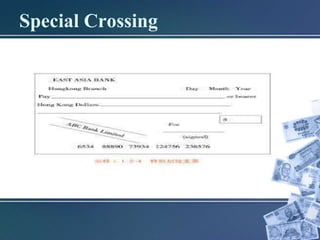
Specifies a particular bank
Payment only to that bank
3. Restrictive Crossing (A/C Payee)
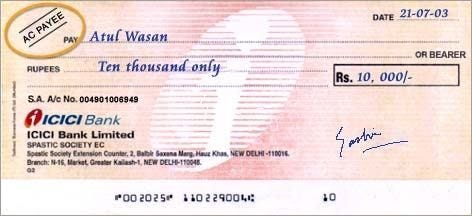
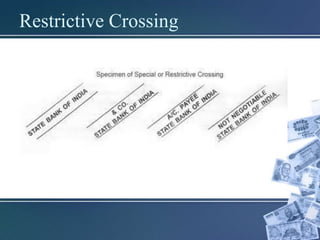
“Account Payee Only”
Cannot be further negotiated
4. Not Negotiable Crossing
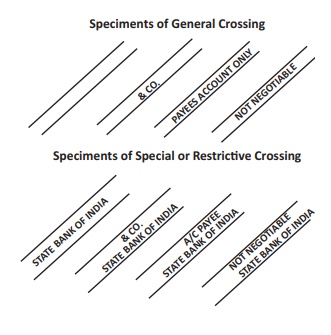
Title of transferee defective if transferor had defective title
Effects of Crossing
Enhances security
Reduces misuse
Directs mode of payment
6. Rights of Holder & Holder in Due Course
Rights of Holder
To sue in own name
To receive amount
To endorse
To present for payment
Rights of Holder in Due Course
Better Title (Sec 53)
Even if previous title defective
Privilege Against Defects
Free from prior defects
Inchoate Instruments (Sec 20)
Can recover full amount
Estoppel (Sections 120–122)
Parties cannot deny validity
Distinction
| Basis | Holder | Holder in Due Course |
|---|---|---|
| Consideration | Not necessary | Necessary |
| Title | May be defective | Always better |
| Protection | Limited | Extensive |
7. Dishonour of Cheques
Types
Dishonour by Non-Payment
Dishonour by Non-Acceptance (for bills)
8. Civil Liability for Dishonour
Right to file civil suit for recovery
Based on:
Contract
Debt
9. Criminal Liability – Section 138
Essentials of Offence
Cheque drawn for discharge of debt/liability
Presented within validity period
Dishonoured due to:
Insufficient funds
Exceeds arrangement
Notice within 30 days
Failure to pay within 15 days
Punishment
Imprisonment up to 2 years, or
Fine up to twice the cheque amount, or both
Presumptions
Presumption of debt (Section 139)
Important Case Laws
K.N. Beena v. Muniyappan
Presumption under Section 139 is mandatory.
Rangappa v. Sri Mohan
Presumption includes existence of legally enforceable debt.
Dashrath Rupsingh Rathod v. State of Maharashtra
Territorial jurisdiction clarified.
10. Defences in Cheque Dishonour
No legally enforceable debt
Cheque issued as security
Material alteration
Notice not properly served
Conclusion
The Negotiable Instruments Act ensures:
Certainty in commercial transactions
Credibility of financial instruments
Legal remedies (civil & criminal)
It balances:
Ease of transferability
Protection against fraud and dishonour
Comments
Post a Comment